Tuesday, July 21, 2020

What do you like about yourself?

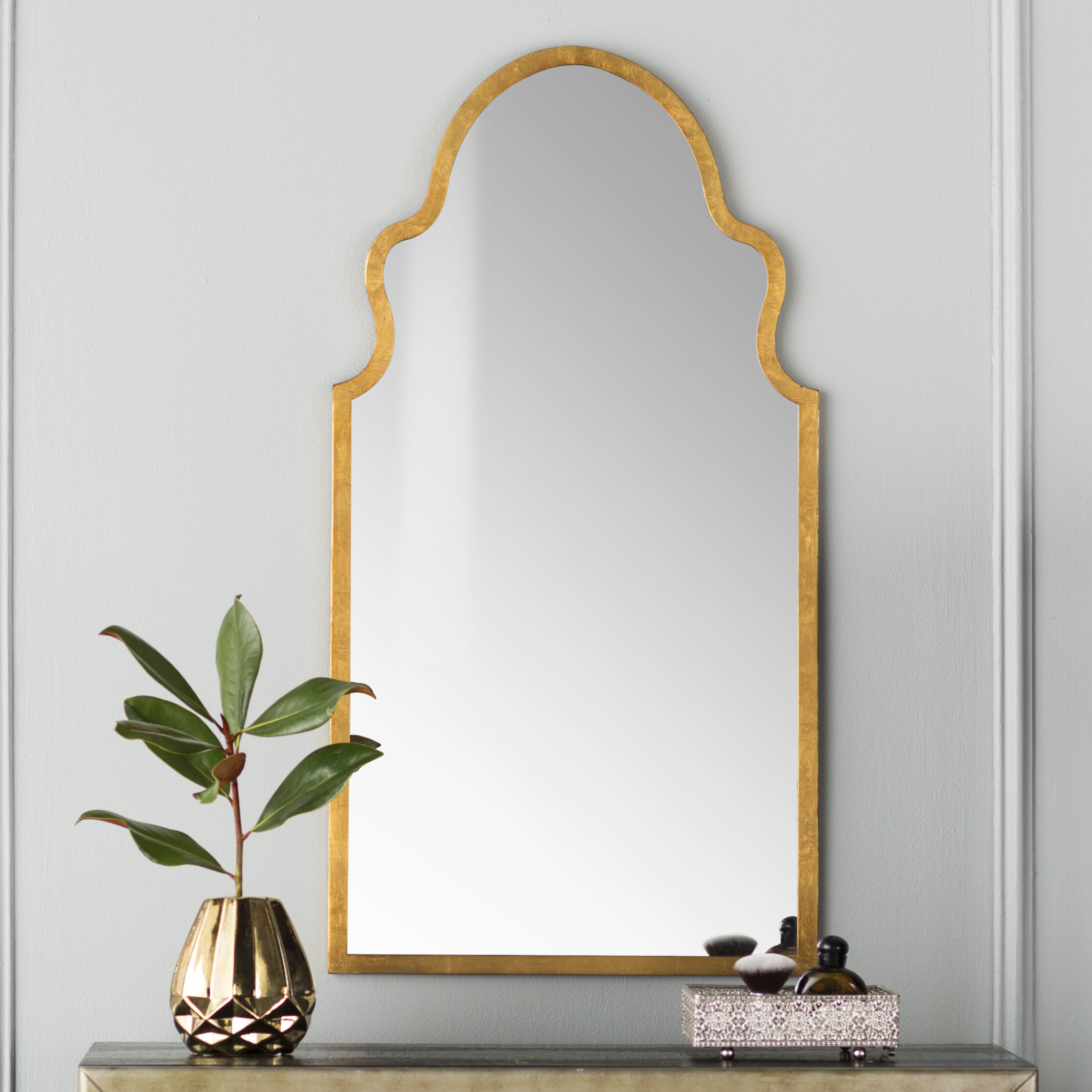
Three Posts Menachem Accent Mirror & Reviews | Wayfair
Image credit: www.wayfair.com 

With a background in early childhood education and raising two children of my own in a moderately contentious and complicated society, I think a lot about social skills and social-emotional development. With young children, it is easy to see their physical development and hear their language development. But social emotional development often occurs in outbursts or in response to difficult situations. While there are some moments children express their internal self-reflection and dialogue, we don't get as many displays of self-esteem, self-identity, and confidence. 

I got to wondering about my eldest's opinion of himself and how we can balance developing a positive self-image in him that isn't arrogant or exaggerated. So I asked him a few questions like, "what do you think you're good at?", "what do you like about the way you look?", and "what do you like about yourself?". He answered with some typical six-year-old answers. "I'm good at kicking a ball, speaking Spanish, reading some books on my own. I like my hair and my blue eyes. I'm helpful, funny, and smart." And so on. 

But then he surprised me and turned the conversation around, asking me what I'm good at, what I like about the way I look, and what I like about myself. 

I couldn't answer. 
My mind raced but my mouth was frozen. 

I'm good at writing... but I'm not creative, I write research-based content in my field. 
I'm good at running.... but so many people are faster and stronger than me and I've never run a full marathon. 
I have a nice smile... but my teeth are a little crooked and that one girl in 9th grade said I had weird lips. 
I'm kind... but sometimes I hurt other people's feelings. 
I'm smart.... but not that smart, I didn't even get into an elite or ivy league college. 

My thoughts continued this way until my eyes filled with tears. 
I couldn't think of one thing that felt completely true. 
As soon as an idea popped up in my mind, I shot it down. With evidence that it couldn't possibly be true. 
And even if I tried to silence those negative voices in my head, no matter what I said, surely the people closest to me would know I was a fraud. 

This is not indicative of a lack of positive qualities but rather a lack of positive self-image and self-esteem. I was worried about my son's confidence but it was me who needed to break the cycle of self-deprecation and striving for unattainable concepts of "perfection". Decades of airbrushed magazines, academic competition, and unhealthy comparisons had tainted my ability to see my strengths without adding disclaimers that negated any quality I was describing. 

I genuinely didn't know it would be so hard to say kind things about myself. Or that I would worry so much that people around would focus on the exception rather than the general presence of a positive quality. I needed practice speaking kindly to myself. And believing the kind things other people say to me. 

So we took turns answer these questions about each other. Each of us stating what we liked about the others, what they are good at, and what we found attractive about them. It was so easy for me to rattle off long lists about the other people, never doubting the amazing qualities about them.

And then I listened carefully when they said kind things about me. 
I desperately wanted to argue with them and prove they were wrong. 
But I didn't. I listened and let my mind absorb the overwhelming positive qualities my family sees in me that I can't see in myself. 

I'm guessing I'm not the only one who is their own worst critic. And in someways I think it has pushed me to always be reflective, and do better, and be humble. But it hurt to think that I couldn't even model for my son what it sounds like to love oneself. 

Try this out. Spend a few moments with your thoughts. Make space to speak kindly. Consider how your loved ones would describe you. Avoid the disclaimer. Forget the unattainable idea of perfection. 

What do you like about yourself? 


Friday, July 3, 2020

That's what I thought!


Image credit: www.LeanInLiveEngaged.com 

"Wearing a mask is stupid."
"Masks save lives!"
"Masks kill people."
"Wearing a mask takes away my freedom."
"Wearing a mask is a simple step in preventing the spread of illness."
"I'm healthy, I don't need a mask."
"You choosing not to wear a mask is an attack against me."

WOW. 

I don't know about you but my social media feed is filled with bold statements, people that are certain they are right, yet their perspective conflicts with the next person's bold, certain statement. This is always true, I think, but the above examples are pulled from the oh-so-tired mask debate in the time of COVID-19. People state with absolute conviction their stance on wearing a mask. On one hand, this makes sense, each person's social media feed is theirs - it should reflect what that person believes. One the other hand, what damage is done when people spread inaccurate information? And why would smart, well-meaning people spread less-than-accurate information that could harm others? Can conflicting statements each hold some truth? 

Confirmation Bias and Fear

Thanks to the internet, there is an endless amount of ideas that can be published and shared. That doesn't mean it is all good or accurate. But it does mean that you can find nearly anything to back up what you want to believe. You can search and search until you find the article or video that allows you to exhale and say "That's What I Thought!"  Confirmation Bias at it's best. Or absolute worst. 

COVID-19 has had some terrifying effects on communities around the world and in no way does the US have it under control. In fact our numbers are rising at a shocking rate. This is very reasonably causing fear in a lot of people. This kind of fear can be eased with information. 

But most often, people aren't looking for accurate information, they are looking for the information they want to hear. Me included. I'm a mask wearer and I've binged on proof that masks are important while we fight through this pandemic. I need to believe that I can actively take steps to protect myself, my family, and my community. It's calming to me to think I'm doing my part. 

The trouble with acting through confirmation bias is that you cognitively put blinders between yourself and the information you don't want, that quite possibly might hold some important truth. Not that you don't see it in someone else's feed, you're just unwilling to make space for it in your processing. 

Blind Spots 

We all have blind spots, whether they are from blinders we unconsciously put up or simply because it is impossible to know everything. Regardless, our brains do very cool things and fill in those blind spots for us based on all the contextual information we have. 

Here's a useful example of how it works: 

When we are driving, we can't see through solid parts of our car like the frame or trunk but our brain fills in the edges of the road so it isn't processed as a mystery. We can know the road still exists even if it is temporarily blocked by the frame of the car. 

The downside is that sometimes there is information we don't have. 
Here's an example of how our brain fills a blind spot but can put us or others at risk: 

Sometimes our brain gets it wrong and there is more than just the edge of the road in our blind spot, sometimes there is another car or a motorcycle but because our brain has filled in the missing bits of road, we don't perceive the other motorist and can cause an accident.

Makes sense, right? We can use information we have to fill in visual fields, make inferences, and apply existing knowledge to new situations. That can be really useful but sometimes that process is faulty, it's why we need to look twice and not just settle with the information we first processed. 

 Ok, let's apply this blind spot process to our situation in COVID-19. 

Remember when we didn't initially wear masks? 
Or when doctors thought ventilators where the best treatment for every patient? 
Remember when we thought children couldn't get sick? 
Or asymptomatic people couldn't get others sick? 

Blind spots or limiting ourselves to current or even expired information can cause harm. We must look twice. The ability to accommodate new information, shift our thinking, and modify our actions is crucial. 

Your buddy from high school

Not really the point of my post but while we are here, let's just put this out there. Do not subscribe to everything your buddy from high school posts. Science is not a popularity contest. It's not waiting to see what most people from your high school graduating class, or your neighborhood, or your job think. Just because someone you like posted something you agree with, does not mean it is credible. 

It is possible that your buddy is a doctor. Or that he vetted his sources. And you definitely should too. But avoid falling in the "everybody thinks so" trap that really just means everyone is operating with the same confirmation bias and blinders. 

Challenge yourself

It's hard to think critically. It's hard to admit that you used to be right, but information changed and now you're not right anymore. It's hard to risk fear and let go of the safety of being right. It's hard to own the reality of "That's What I Thought!" mindsets can be dangerous.  

Often there is some truth that overlaps with our opinions but that space often omits the full truth. Similarly, just because a small portion of our opinions can be validated by facts, that does not mean that everything we think is true and accurate, even on the same subject. 

Even if you find something that validates your thinking, go a step further. Challenge yourself to not only search for the content that affirms your idea but invest in seeking the rest. Don't rely on your blind spots. There is always more than we currently understand and our individual thinking is very rarely the full and accurate truth. What other angles should you consider? What perspectives are you overlooking? What are the sources of your information? Where else should you be looking? 


Friday, June 12, 2020

Someone Else: A reflection on loving a racist

WHO ARE YOU? — Steemit
(Image credit: PM Notes) 

I remember growing up and hearing my Grandpa say the n-word often. I knew it was a "bad word" but as a child I understood it as a bad word just like "shit", "fuck", or "bitch". Adults could say it but children couldn't. I didn't understand why it was bad or wrong. And I grew up with the implicit understanding that it was ok to get angry. Especially for men. Especially for white men. And when white men were angry they could say the n-word. 

I didn't understand the presence and performance of white supremacy, racism, and toxic masculinity in my upbringing until I was in my 20's. And it hit me hard. This post isn't about the answer or helping you figure out how to handle this in your life. This is merely my story and reflections. 

My Grandpa loved Notre Dame football, he traveled to Ireland regularly to study his ancestry, he walked several miles every day, he loved hanging in the pool, he played the harmonica, he had a deep voice that carried, and he loved beagles. All of these passions shaped my identity and show up in my day-to-day life. I loved him. Without question. He brought so much joy to our family. He contributed so much to who I am and who my family is as a collective group. 

There wasn't a single moment in which I realized he was racist. It came in waves of shock, questioning, shame, guilt, confusion, and feeling distraught. How could someone I love so dearly believe something so toxic, violent, and harmful? And a genuine question of what that says about me. If I believe so strongly in the worth of Black people, being anti-racist, fighting for social justice, and dismantling systems that perpetuate racial inequities, how could I be so blind to someone in my family who embodied the exact opposite of what I believe? Fundamental character flaw? Unconscious complacency? Am I just like him? Am I a fraud? 

My experience is not unique, I'm sure. I imagine there are many people facing familial ties that clash with their belief that Black lives matter and white privilege and white fragility exist. I'm sure like me, many people struggle in that situation. Both in how to address it in those relationships but also in how to process what that means about our own character. In the relationship with others, there are really only 3 (albeit simplified) options here: 

Ignore it. 
Cut this person out of your life. 
Confront them. 

Unfortunately for me, my grandpa is dead and has been for over a decade. I'm left with only being able to reflect on the above questions, confront the implicit bias in my family that still exists with other members, and to carefully explore where this explicit and implicit racism exists in my blood and seeps into my life. 

I'm embarrassed to admit that for many years I ignored the implicit and sometimes even the explicit racism that existed in my family. It was easier and I genuinely didn't understand how harmful it was. I didn’t recognize that ignoring it was part of my white privilege. And absolutely complicit in contributing to systems that continue to harm Black people. About 10 years ago I abandoned that approach of ignoring it. And cutting people out of my life isn't my style. So I started confronting racism as it surfaced in words and actions among my family members. But in order to do that I first had to confront how it showed up in my own words and actions. 

This wasn't easy. It was and is still exhausting, embarrassing, confusing, and at times overwhelming. I stumble and make mistakes. And it's hard to always see the implicit racism and microaggressions that I commit. Unlearning words and thoughts that have be habit for decades requires a lot of paying attention, reflecting, correcting, and not being afraid to continually make mistakes. I feel ashamed for the years I didn’t know better and for the years that felt like an acceptable excuse.  It’s hard to forgive myself. 

And I still can't come to terms with my Grandpa's view. The only understanding that I've gained is that racism runs deep. Through generations, ideologies, and is perpetuated by people within those systems who look away. I don't know that I've changed anyone else’s thinking. But I do know that with the people in my family whom I've confronted, our relationships are more authentic and I am more skilled at naming racism as it exists. My behaviors have changed. My words and thoughts have changed. And I understand a lot more about who I am, letting go of what I accepted as a child, and am raising my children with a different set of implicit and explicit values. 

I still shake my head in disgust and my heart breaks to know someone I loved so deeply carried a hate I can't fathom. I can only be vigilant in living my values and recognizing I have a chance to be someone different than who my Grandpa was. Despite my exposure and the intergenerational transmission, I can actively name and push back against the racism as it shows up in my life. Loving him will always feel complicated but for as many things as he and I have in common, greater is my opportunity, power, and commitment to be someone else. 


Monday, June 8, 2020

Just Start

White people, this is for you (and me). 

Anti-racism requires action, persistence, and humility. And it requires that you start. Right where you are, with your fragility and uncertainty and fear. Start by recognizing you are going to make mistakes. Just start. 

Following the surge of protests around the nation erupting from the murder of George Floyd by Minneapolis police officers, I observed many of my white friends wanting to join in the fight against racism, violence against Black people, and the system perpetuating injustices. But don't know how to get started. 

I encourage you to first embrace these ideas: 

  1. Let go of the need to “do this right”. You will make mistakes. We all do. 
  2. Avoid performative allyship. Keep the focus where it needs to be. Hint: it’s not on you. 
  3. Listen. Make space for Black voices and pay attention. Resist the urge to chime in. Listen. 
  4. Speak up. White silence is complicit, complacent, and compliant. This doesn't mean your voice should be loudest in public spaces. Start conversations with your family, friends, and colleagues. 
  5. Educate yourself. Don’t lean on your Black friends to teach you. Listen when they speak, read what they write. But do your own work. 
  6. Check your white fragility. This is going to be uncomfortable. Don’t put that on your Black friends. Process your feelings with a white friend. 
  7. Don’t quit. You will likely feel tired, ashamed, overwhelmed or all of the above. Keep going anyway. 

Got all that?
Here are specific things you can do right now:

  1. Read books by black authors.
  2. Watch documentaries produced by Black people about the Black experience in the United States. 
  3. Buy from Black owned businesses.
  4. Explore your white privilege and white fragility. 
  5. Donate to Black educators and activists.
  6. Talk to your children about racism, slavery, white privilege, and social justice. 
  7. Read books to your children that discuss the history of racism, the civil rights movement, and social justice. 
  8. Write to your district and ask about their DEI initiatives. 
  9. Ask your employer about their DEI initiatives. 
  10. Follow Black activists and leaders on social media. 
  11. Attend protests and demonstrations. 
  12. Check on your Black friends. 
  13. Give your Black friends some space. 
  14. Bring up conversations of racism and white privilege with your friends and family. 
  15. Consider on how white privilege shows up in your life. 
  16. Reflect on how racism shows up in your actions and words. 
  17. Vote.
  18. Hold your elected officials accountable.
  19. Join local activism groups.
  20.  Sign petitions to demand justice for Black people wrongfully charged, incarcerated, or murdered by police. 
  21. Resist the urge to get tired. 
This is a start. Do the work, and then repeat it. To be anti-racist is not a week of action or a day of action but a philosophical commitment to continuous action to fight racism and dismantle the system perpetuating it. Don't worry that it feels overwhelming. Don't worry about getting it right. Just start. 


Tuesday, May 19, 2020

Chasing Memories

My husband and I cuddle close on the king size bed with freshly pressed white sheets, and a fluffy down comforter. The warm, salty air swirls around us and rustles the sheer curtains draped around the balcony window. My skin is warm from soaking up the day's sun and my feet ache from the miles walked on the Pacific coast beach. My husband whispers something sweet in my ear and though it is indecipherable over the crashing ocean waves just feet away from where we snuggle, my heart flutters with infatuation. 

I shoot upright in bed and my heart races out of my chest. My eyes adjust to the darkness and I realize I am home in Michigan. The cool air rushes in through the window and my husband lies near me. We haven't traveled in 5 months. We are in quarantine. 

The bass of the music sets the tempo for my heartbeat and the sway of my hips. The cool citrus taste of my vodka soda with lime rushes over my tongue as I take the last sip. The cool New York night air rushes through my long wavy hair as I turn to my friend, K, as we laugh and dance and blow off the inviting glances of two men from the opposite side of the roof top bar. 

I'm covered in sweat and I'm back in my room. I'm shaking from the time hop and crushing reality. It has been more than 2 months since I have hugged a friend or danced in a bar. We are still in quarantine. 

The rickety, spinning ride swoops up and pauses briefly at the top and I catch a quick glimpse of the hundreds of peanut festival goers playfully scattering below. The ride quickly descends and my colleague shrieks with delight. Tears of laughter stream down our faces as the wind whips around us. We return safely to solid ground and laugh until we can't breathe. 

I gasp for air and throw the suffocating covers off of me. My eyes dart quickly around the room. There are no festivals, there is no work travel. We are in quarantine. 

My son rushes toward the water, buckets in one hand, a shovel in the other. He drops to his knees and begins to dig. I smile and  spread a blanket on the sand and open my book. His periodic giggles are my soundtrack. The early morning chill off the Atlantic ocean triggers goosebumps up and down my arms and legs. 

Chills cover my body as I reach for the covers and tuck myself back in from yet another startling wake up into life in quarantine. 

In the daytime, I understand the reality of the pandemic. In the daytime, I can comprehend the new normal. In the daytime, I am grateful for all that we have and avoid clinging to what was. 

But in the nighttime, I chase memories. 

Tuesday, April 14, 2020

A man's job

Yesterday, my husband and I were discussing our Governor's decision and execution of orders put in place to protect people in the time of the COVID-19 outbreak. We are the kind of people that, for the most part, trust scientists, medical experts, and leaders to make these kinds of large-scale decisions based on information we don't have, that may impact a lot of people in ways we don't understand. It's not without scrutiny but we recognize the complexity that far reaches our limited experiences.

We further discussed the frequency of people in our state (as well as the current president of our country) to belittle our Governor on social media. Everything from her decision, to how it was communicated, to how she dresses. Someone even shared a photo from January 2019 and shamed her for being within 6ft of other people - a full year before social distancing was a thing. The disdain for her is evident and very rarely focuses on the big picture impact of the state. The criticism is specific, targeted, aggressive, and lacks perspective.

My husband pointed out this very insightful fact: men don't want to be told what to do by a woman. That's what it is. Misogyny in the 21st century. Men aren't mad about her doing her job. They are mad that she has the job. But is that archaic tension held just by men? Do women feel this way too? It's 2020 but are we simply unable to accept that women can do the same work as men?

Aside from our limited ability to skillfully pee standing up, I've never experienced a man demonstrate a skill or competency that woman couldn't also perform. Certainly, individual ability and performance varies but this has never been calculated down to specific amounts of estrogen or testosterone. There is certainly no shame in a woman not choosing a leadership role, just as there is not shame in a man respecting a woman in leadership.

Consider your thoughts. Have the gender-stereotyped, biblical roles of the past been ingrained in the way you think, live, and vote?

Deeply ingrained misogyny aside:

What is it about a woman that would make her less capable of leading a state or a country?
What is it about a man, would make him more capable of holding leadership positions?
What qualifications do women lack that prevent them from holding a man's job?

Monday, April 13, 2020

Who's Invited to the Lifeboat?

When fear spikes, when people cry out, when the ship starts to sink, who's in the lifeboats?

Did you even realize there were lifeboats or were you too busy trying not to drown? 

Was it invitation only? 

Who's invited to the lifeboats when things go wrong? 


When the Coronavirus pandemic hit the United States, we were delivered a message of "we're all in this together". If we all stayed home, followed executive orders,  and sheltered in place, we would all be safer and better off in the long run. But that's not exactly how it happened. Many people could stay home. Because they had the option and resources to work from home. They had substantial savings and assets to rest back on financially. They had food and could afford delivery services. When they needed to go out, they had reliable personal transportation and protective gear. They had support systems, resources, and safety nets. They managed to stay afloat when things got rocky. 

All of this rested on the most vulnerable in our population: the people who were already at risk of financial, emotional, and economical destruction without a life preserver in sight. This has looked like: low-wage employees continuing to go to work with out protective gear or paid sick time so the rest of society could continue to have grocery stores, delivery services, mail service, and more. They relied on public transportation, they brought the risk of the virus home to their families and overcrowded communities. They struggled. And that's best case scenario if they got to keep their jobs and had substantial child care. 

It feels necessary to point out, among the front line workers are the absolutely essential medical staff. They are putting their lives at risk every single day. And our communities would be in even greater devastation if it were not for them. There are a few major differences here from the at-risk community. For many front line medical workers, they received substantial emergency sick leave if they become ill with COVID-19, they are offered separate living spaces from their family if they become ill, and they have high lifetime earning potential. There is no question about how awful things are for them right now. But when this is over, for a vast majority of them, they will be able to afford therapy to cope emotionally, they will take their families on vacations to relax and reconnect, and their financial livelihood won't suffer, now or for years to come. 

But for many of our most vulnerable, this will be years, decades, potentially even generations of financial and emotional devastation. A stimulus check will not bring loved ones back. A new job making minimum wage does not reverse an eviction or repair a credit score that suffered from months of unemployment. Thoughts and prayers will not make space for them in the lifeboats. 

For them, their plight was years in the making. This is not a sudden circumstance of inequity. This is systemic patterns of keeping the poor, poor. Of marginalizing people of color. Of resting on the weakest to keep the most powerful afloat. Of carefully worded propaganda to maintain the imbalance of access to resources and opportunity. A country built on some, taking advantage of many.

The lifeboats were always there. The invitations went out a long time ago. If you weren't on the guest list, it's sink or swim.

Watch the people in the lifeboat.
See them waving as they head off on their voyage of privilege, safety, and opportunity.
Smiling with pity.
Grateful for your sacrifice. Your struggle. Your dollar. Your vote.

Are you paying attention? Who's invited to the lifeboat?


Too much and nothing at all.

When the words spill out. And they’re all wrong.   They’re too soon.   They’re too late.  When the words are all mixed up.  And upside d...